 University of North Texas

- Let's Eat
- Hours & Locations
- Back
- Hours & Locations
-
Dining HallsRetail Locations
- About
- Employment
- Contact
Sustainability
Creating Better Food Through Better Practices
UNT cares about managing resources effectively, and UNT Dining is no different. Our sustainability initiatives highlight our focus on:
- Minimizing food waste
- Utilizing scraps efficiently
- Sourcing ingredients locally
- Reducing environmental impact through bulk purchasing and energy efficiency
- Implementing thoughtful menu design planning.
OUR SUSTAINABILITY IN ACTION
The Menus of change Research Collective (MCRUC) is a Collaboration of forward-thinking scholars, food service leaders, executive chefs, and administrators for colleges and universities who are accelerating efforts to move people toward healthier, more sustainable, and delicious foods using evidence-based research, education, and innovation.
Key MCURC / UNT Projects :
2019
Faith in Fat: A Multisite Examination of University Student’s Perceptions of Fat in
the Diet
2019
DISH: a groundbreaking, research study that measured diners’ vegetable intake for
several months
2021
Olive Oil and the Plant-Forward Kitchen: A Sauce Discovery Project
2024
Repurpose with a purpose
MEAN GREEN ACRES
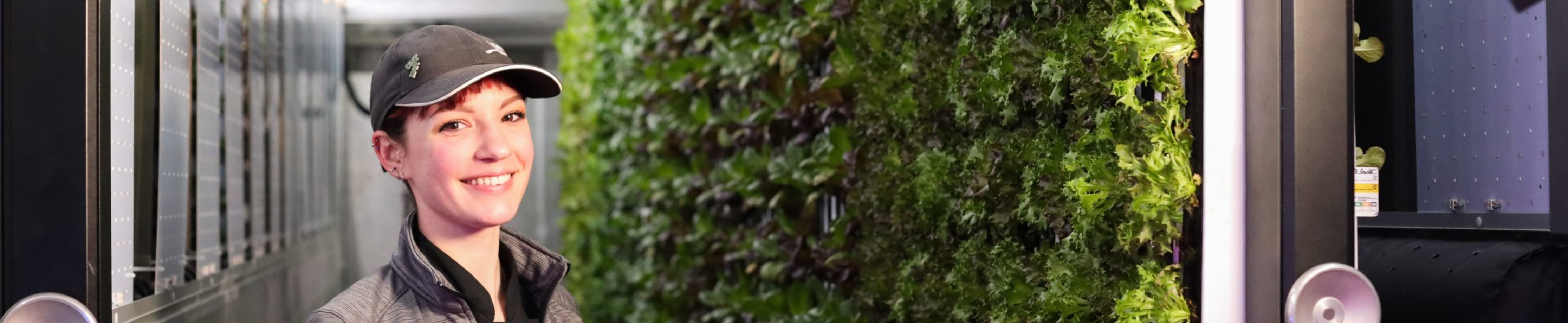
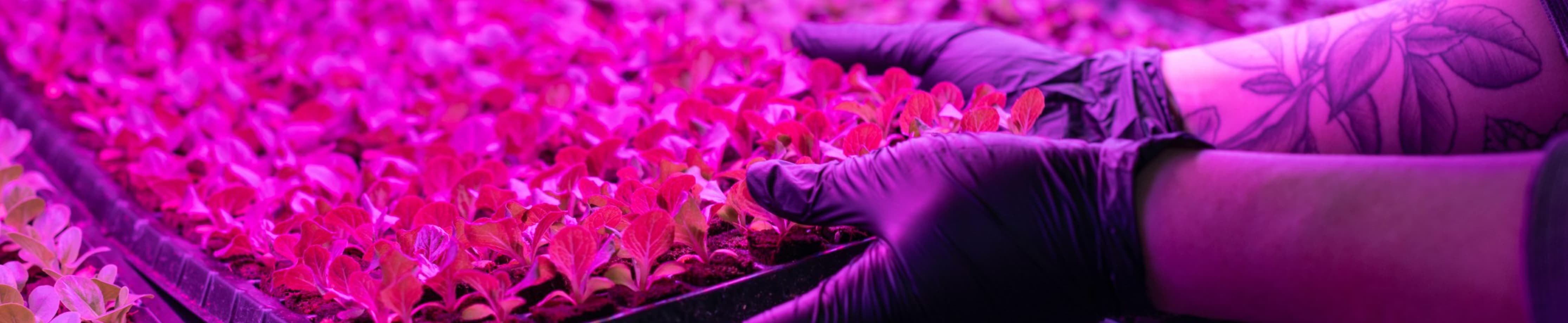
Mean Green Acres’ state-of-the-art, controlled environment shipping container hydroponic farm makes it possible to grow delicious food 365 days a year in just 320 sq. feet per unit. Greens are regularly served at Mean Greens Café, and other locations around campus.
2
Units
on campus
on campus
5
Total Gallons of
water per day
water per day
1,400
Total heads of Leafy
Greens per week
Greens per week
20+
Root vegetables
also grown
also grown
ACROSS OUR OPERATIONS

In 2010, Dining Services signed an agreement with local food distributor, Ben E.
Keith. This partnership allows us to receive food shipments from on campus rather
than having numerous trucks from various vendors.
This streamlined approach improves operational efficiency, drastically reduces fuel consumption and transportation-related greenhouse gas emissions.
This streamlined approach improves operational efficiency, drastically reduces fuel consumption and transportation-related greenhouse gas emissions.
Residential Dining
Minimal Processing
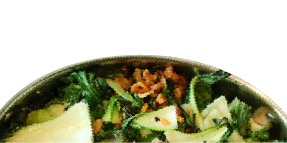
We use minimally processed, slow-metabolizing plant-based foods.
Plant-based
We reduced prominence of animal-based foods and increased vegetarian and vegan options.

Batch Cooking
Batch cooking minimizes food waste.

Ugly But Usable
We purchase “ugly,” “imperfect” produce that tastes as good as commercially available
options.
Phở Broth
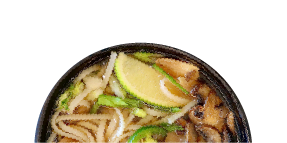
Unused vegetable trimmings are dehydrated and then simmered with spices to create
rich and delicate broth.
Retail Dining

Green Choice
This sustainable takeout system provides reusable take home containers for guests
who join for just $5.

Styrofoam Free
Years ago, we eliminated styrofoam from all our disposable packages and cups.

Voltage Coffee
The Market has a hyper-local partnership with Denton-brand, Voltage Coffee. Voltage champions Full Farm Representation and beans are roasted in nearby Decatur, TX.
Clark Bakery
In-house
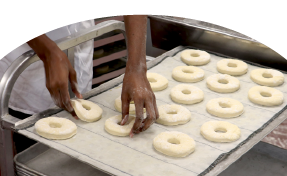
All baked goods are made in-house, which allows us to control waste and production.
Local Sourcing
Ingredients are sourced as closely as possible, including flour from a mill in Saginaw.

Reuse
Unused portions go immediately into production of other items. Bread becomes croutons,
cookies are added to ice cream, and so forth.
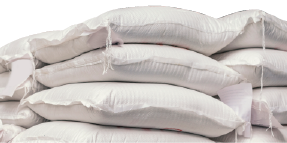
Bulk Purchasing
We purchase ingredients in the largest containers to reduce excess food packaging.

Recycling
Equipment includes a recycle dumpster and interior recycle bin.
Verde Catering



We use eco-friendly packaging to minimize the environmental impact while maintaining
product quality and food safety standards.
Our culinary team includes expert chefs specializing in plant-based cuisine, allowing
us to deliver exceptional plant-forward catering services.